Ambient Air monitoring

- Particulate matter(PM2.5)
- Hydrogen Sulphide
- Illumination
- Benzene, Toluene & Xylene
- Lead as Pb
- Heat Stress
- Carbon monoxide
- Poly Aromatic Hydrocarbons (PAH),Benzo(a)Pyrene(BaP)
- Sulphur dioxide
- Suspended Particulate matter (SPM)
- Carbon dioxide
- Temperature
- Noise
- Volatile Organic Compounds as per EPA Chlorine 502/524 mix
- Chlorine
- Arsenic as As
- Oxygen
- Ammonia
- Particulate matter (PM10)
- Humidity
- Fluorides
Indoor air quality Monitoring

- Particulate matter (PM2.5)
- Oxides of Nitrogen
- Hydrogen Sulphide
- Illumination
- Benzene, Toluene & Xylene
- Lead as Pb
- Heat Stress
- Carbon monoxide
- Nickel as Ni
- Poly Aromatic Hydrocarbons (PAH), Benzo(a)Pyrene(BaP)
- Sulphur dioxide
- Suspended Particulate matter (SPM)
- ozone
- Carbon dioxide
- Temperature
- Noise
- Volatile Organic Compounds as per EPA Chlorine 502/524 mix
- Chlorine
- Arsenic as As
- Oxygen
- Chromium as Cr
- Ammonia
- Particulate matter (PM10)
- Humidity
- Fluorides
Stack emission Monitoring
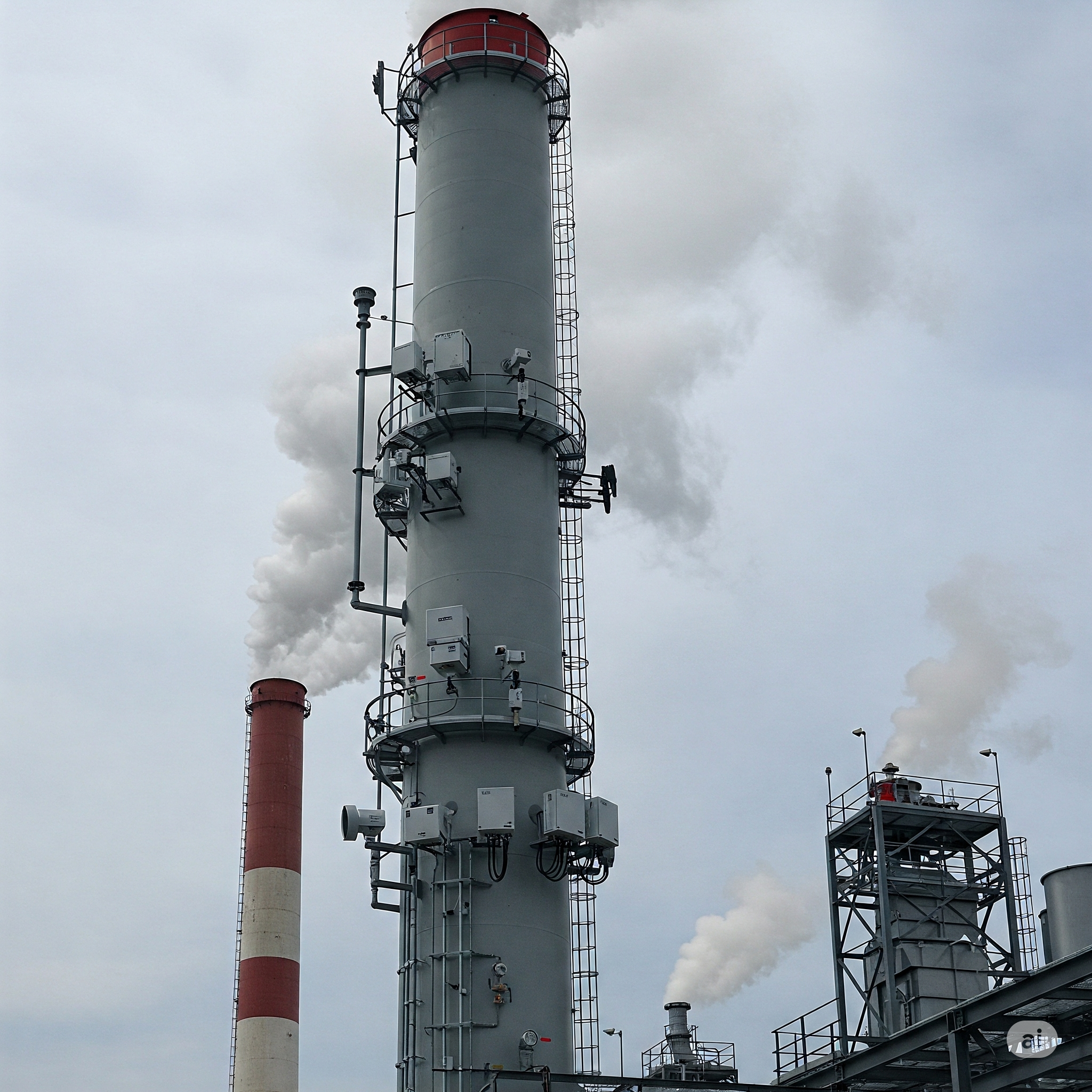
- Temperature Velocity Sulphur dioxide
- Acid Mist (H₂SO₄)
- Carbon dioxide
- POxides of Nitrogen
- Flow rate
- Heavy metals (as Pb)
- Volatile Organic Compounds as per EPA 502/524 mix
- Particulate matter
- Carbon monoxide
- Oxygen
Ambient Noise Survey

- 1 liter Mass
- 1000 Kernel Weight Decorticated Millet Grains
- Acid Insoluble Ash
- Acid Value of Extracted Fat (as Oleic Acid)
- Acidity (mg KOH/100g)
- Added Coloring Matter
- Admixture
- Alcoholic Acidity
- Alkalinity of Ash as Na₂CO₃
- Bromide
- Carbohydrates
- Chalky Grains
- Chloride
- Crude Fiber
- Damaged Grains & Broken
- Decortications
- Density at 20°C
- TCW (Weight of Thousand Grains)
- Titratable Acidity as Lactic Acid
- Total Ash
- Total Ash Excluding Salt
- Total Fat
- Dietary Fiber
- Seeds with Slight Defects
- Shrivelled / Shrunken / Broken Grains
- Sieve Analysis (0.149, 0.18, 0.21, 0.315, 0.5, 0.71, 0.85, 1, 1.19, 2 mm)
- Discolored Grains / Fragments
- Dry Gluten
- Energy
- Ergot
- Extraneous Matter (Foreign Matter)
- Fat
- Filth
- Gluten
- Hull-less and Broken Kernel
- Hydrocyanic Acid
- Immature and Shriveled Grains
- Impurities of Animal Origin
- Insect / Slightly Touched Pulses
- Total Solids
- Total Sugar as Invert Sugar
- Urease Index Value (Urease Activity)
- Viscosity at 25°C
- Weevilled Grains (by Counts)
- Iodate
- Kesari Dhall
- Mineral Matter
- Minimum Test Weight (Bulk Density)
- Moisture
- Nitrogen
- Organic Matter
- Other Edible Grains
- Peroxide Value of Extracted Fat
- pH
- pH of 10% Solution
- Physical Examination of the Package for Rust
- Bulging or Other Damage Visible to the Naked Eye
- Potassium Bromide
- Protein
- Reducing Sugar
- Refractive Index at 20°C
- Wet Gluten
- Rodent Hair & Excreta
- Salt as NaCl
- Seeds with Serious Defects
- Sodium Bicarbonate
Water Testing

- Colour
- Conductivity (µmhos/cm)
- To neutralize 100ml of sample water using Mixed indicator using 0.02 N H2SO4
- Carbon dioxide
- Oil & Grease
- Sulphate as SO4
- Phenolphthalein Alkalinity as CaCO3 or Carbonate Alkalinity as CO3
- Ratio of Sodium Sulphate and Caustic alkalinity
- Non-volatile residue
- Dissolved Phosphorus as P
- Total Silica as SiO2
- Nitrite as NO2
- Magnesium as Mg
- Ratio of NaNO3 /Total alkalinity as NaOH
- Ratio of Alkalinity as CaCO3
- pH Value
- Calcium as Ca
- Ammonia as NH3
- COD (Open reflux method)
- Total Phosphorus as P
- Oxidizable matter
- Residual Na2S2O3 Content
- Methyl orange Alkalinity as CaCO3 or Bicarbonate Alkalinity as HCO3
- Chloride as Cl
- Dissolved Oxygen
- Total solids
- Total Hardness as CaCO3
- Total Dissolved Solids (Inorganic)
- Odour
- Ferrous as Fe
- Fixed Solids, mg/l
- Magnesium Hardness as CaCO3
- To use 0.02N NaOH to neutralize 100ml of sample water using phenolphthalein as an indication
- Turbidity as NTU
- Total Suspended Solids
- Calcium Hardness as CaCO3
- Volatile Solids, mg/l
- Total Iron as Fe
- Residual Chlorine
- Residual hydrazine as N2H4
- Sodium absorption ratio
- Oxygen as O2
- Unreactive Silica SiO2
- Ammoniacal Nitrogen as NH3.N
- Boron as B
- Caustic Alkalinity as CaCO3
- Sodium as Na
- Nitrate as NO3
- Reactive Silica as SiO2
- Oxygen Consumed in 4 hrs
- Residual Sodium Carbonate
Waste Water Testing

- Chlorine Residual
- BOD@ 20°C for 5days and BOD@27°C for 3days
- Boron as B
- Cyanide as CN
- Dissolved Phosphorus as P
- Mixed Liquid volatile suspended solids (MLVSS)
- Nitrite
- Iron
- Potassium
- Volatile Solids, mg/l
- Carbonate Hardness as CaCO₃
- Calcium Hardness as CaCO₃
- Total Alkalinity as CaCO₃
- Conductivity (µmhos/cm)
- Colour
- Residual Sodium Carbonate
- Fluoride as F
- Particle size of suspended solids
- Ammoniacal Nitrogen as NH₃-N
- pH Value
- Odour
- Turbidity as NTU
- Phenolphthalein Alkalinity as CaCO₃ or Carbonate Alkalinity as CO₃
- Magnesium Hardness as CaCO₃
- Non –Carbonate Hardness as CaCO₃
- Total Suspended Solids
- Phenolic Compound
- Unreactive Silica
- Nitrate
- Mixed Liquid suspended solids (MLSS)
- Total Phosphorus as P
- Sodium absorption ratio
- Hexavalent Chromium as Cr⁶⁺
- Free Ammonia as NH₃
- Total Kjeldahl Nitrogen
- Dissolved Oxygen
- Total Hardness as CaCO₃
- Magnesium as Mg
- Sodium
- Residual Sodium Carbonate
- Fluoride as F
- Particle size of suspended solids
- Sludge Volume Index (SVI)
- Reactive Silica
- Sulphide
- Total Silica
- Oil & Grease
- Mixed Liquid Fixed Suspended Solids (MLFSS), mg/l
- Total solids
- Calcium as Ca
- Methyl orange Alkalinity as CaCO₃ or Bicarbonate Alkalinity as HCO₃
- Temperature °C
- Total Dissolved Solids (Inorganic)
- COD (open reflux method)
- Acidity as CaCO₃, mg/l
- Percent Sodium
- Sulphate as SO₄
- Chloride as Cl
Soil Testing
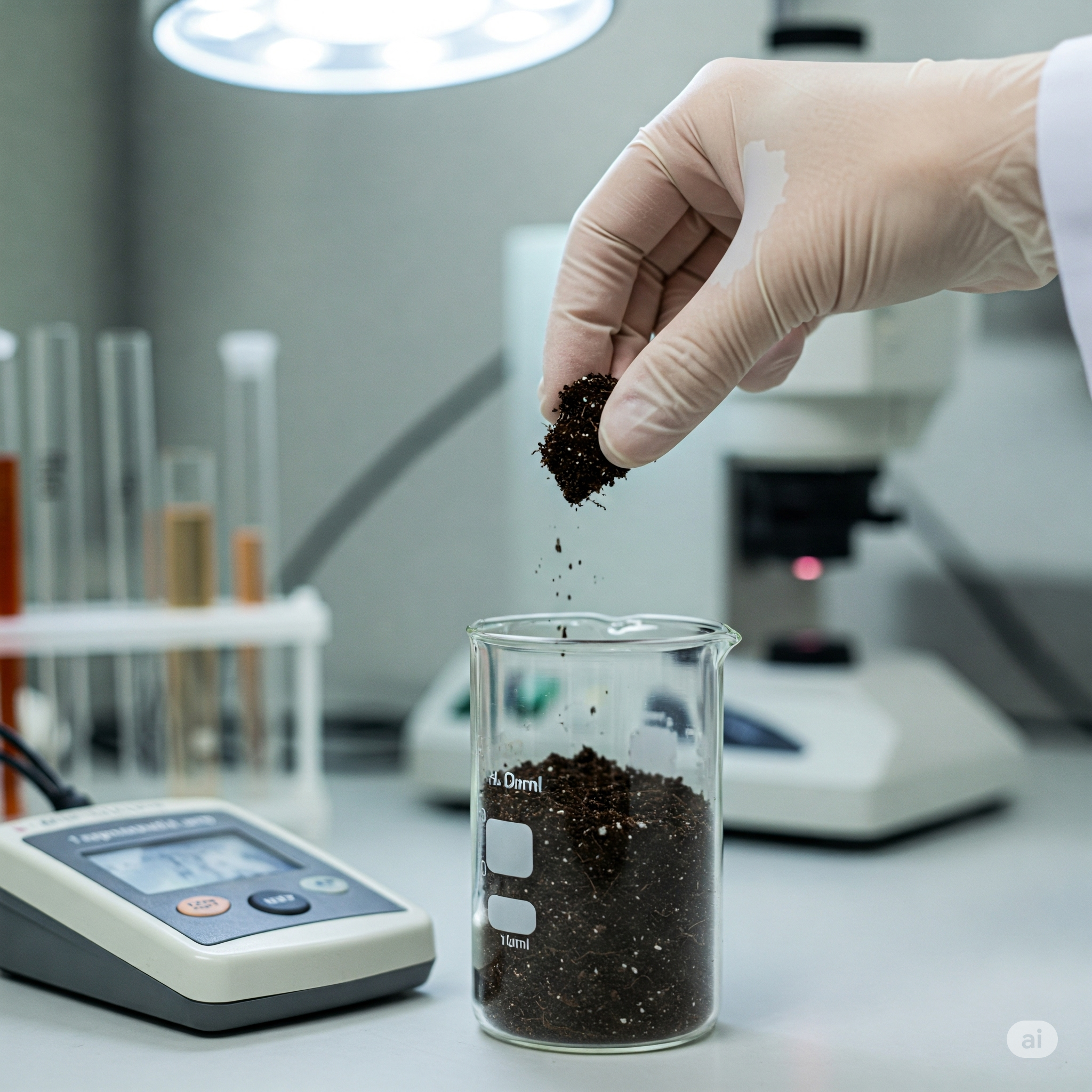
- Total Organic Carbon
- Total Nitrogen
- Phosphorus
- Soluble Calcium
- Oil & Grease
- Total Organic Matter
- Loss on Drying @550°C
- Non Volatile Substance
- Sulphate
- Carbonate and bicarbonate
- Volatile Substance
- Moisture
- Nitrate
- Hexavalent Chromium
- Soluble Magnesium
- Sodium absorption ratio
- Total Kjeldahl Nitrogen
- Conductivity
- Calcium carbonate
- Chloride
- Cation exchange capacity
- pH
Analysis of LIBR

- Matter Soluble in Water Other than NaCl
- Acid Insoluble Matter
- Alkalinity as Na₂CO₃
- Calcium as Ca
- Iodine Content
- Magnesium as Mg
- Moisture
- pH of Aqueous Solution
- Potassium Ferrocyanide
- Sieve Analysis [0.15, 1, 4mm]
- Sodium Chloride as NaCl
- Sulphate as SO₄
- Water Insoluble Matter
Analysis of Waste Oil and Used Oil
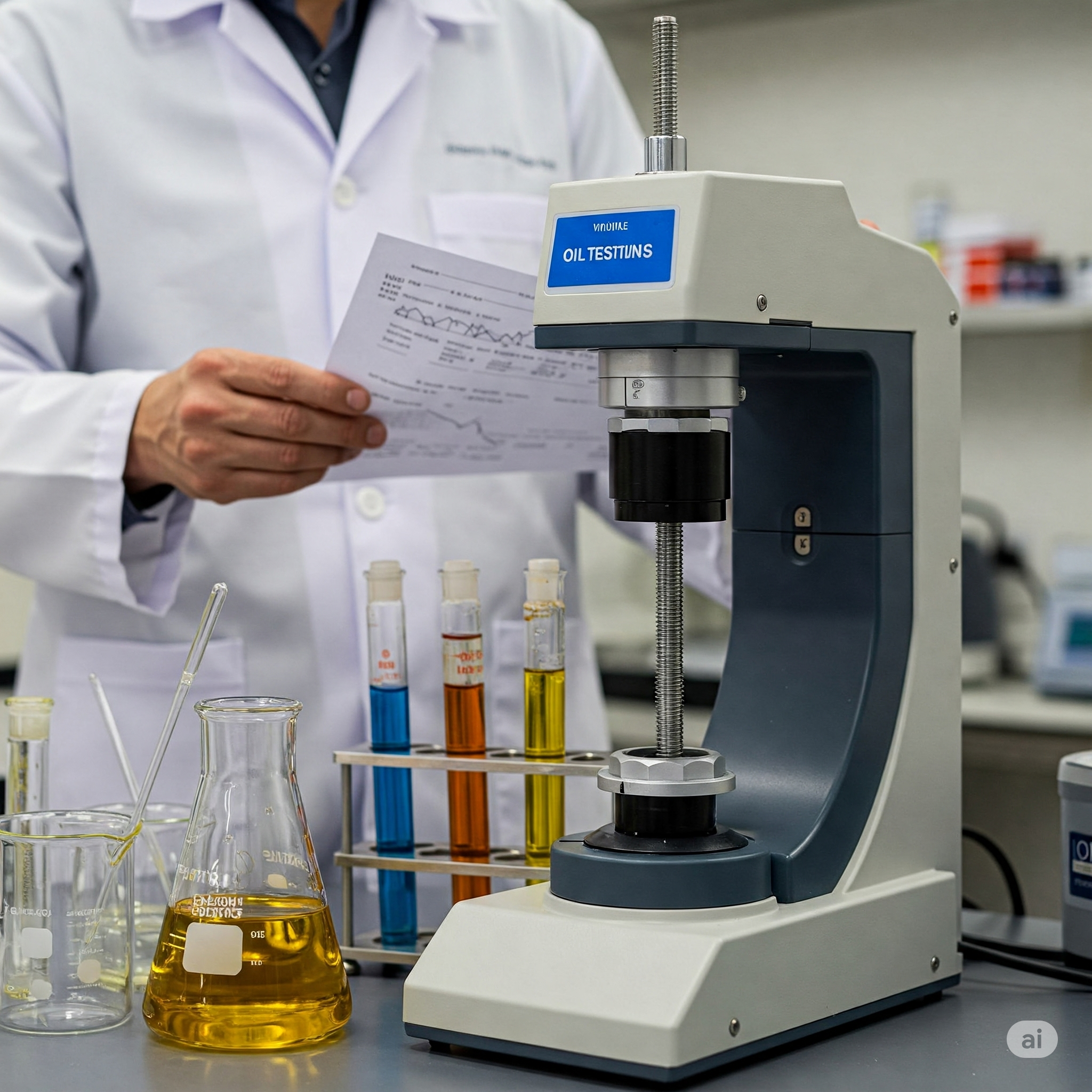
- Acid and Base Number
- Density
- Flash Point
- Gross Calorific Value
- Saponification Value
- Sulphur
- Viscosity 100°C
- Viscosity 40°C
- Viscosity at 50°C
- Water Content (ASTM D 95-05)
- Ash Content
- Fire Point
- Gasoline Diluents
- Neutralization Number
- Sediment
- Total Halogens
- Water Content (ASTM D 6304-e1)
- Poly Chlorinated Biphenyls (PCB), as per EPA 525, 525.1 mix
- Poly Aromatic Hydrocarbons (PAH), as per EPA 610 mix
VOC Monitoring

- 1,1,1,2-Tetrachloroethane
- 1,1,1-Trichloroethane
- 1,1,2,2-Tetrachloroethane
- 1,1-dichloroethane
- 1,1-dichloroethene
- 1,1-Dichloropropane
- 1,2,3-Trichlorobenzene
- 1,2,3-Trichloropropane
- 1,2,4-Trichlorobenzene
- 1,2,4-Trichloropropane
- 1,2-Dibromo-3-chloropropane
- 1,2-Dibromoethane
- 1,2-Dichlorobenzene
- 1,3-Dichlorobenzene
- 1,3,5-Trimethylbenzene
- 2-Chlorotoluene
- 4-Bromobenzene
- 4-Chlorotoluene
- Benzene
- Bromomethane
- Carbon tetrachloride
- Chlorobenzene
- Chloroethane
- Chloroform
- Chloromethane
- cis-1,2-dichloroethene
- Cis-1,3-Dichloropropene
- Dibromoethane
- Dibromochloromethane
- Ethylbenzene
- Hexachlorobutadiene
- Isopropylbenzene
- Lead as Pb
Analysis of Ores and minerals including iron ore, limestone, quartz and feldspar

- Total Organic Matter
- Sodium absorption ratio
- Volatile Substance
- Moisture
- Loss on Drying @550°C
- Non Volatile Substance
- Hexavalent Chromium
- Total Nitrogen
- Total Organic Carbon
- pH
- Conductivity
- Phosphorus
- Total Kjeldahl Nitrogen
Analysis of food materials
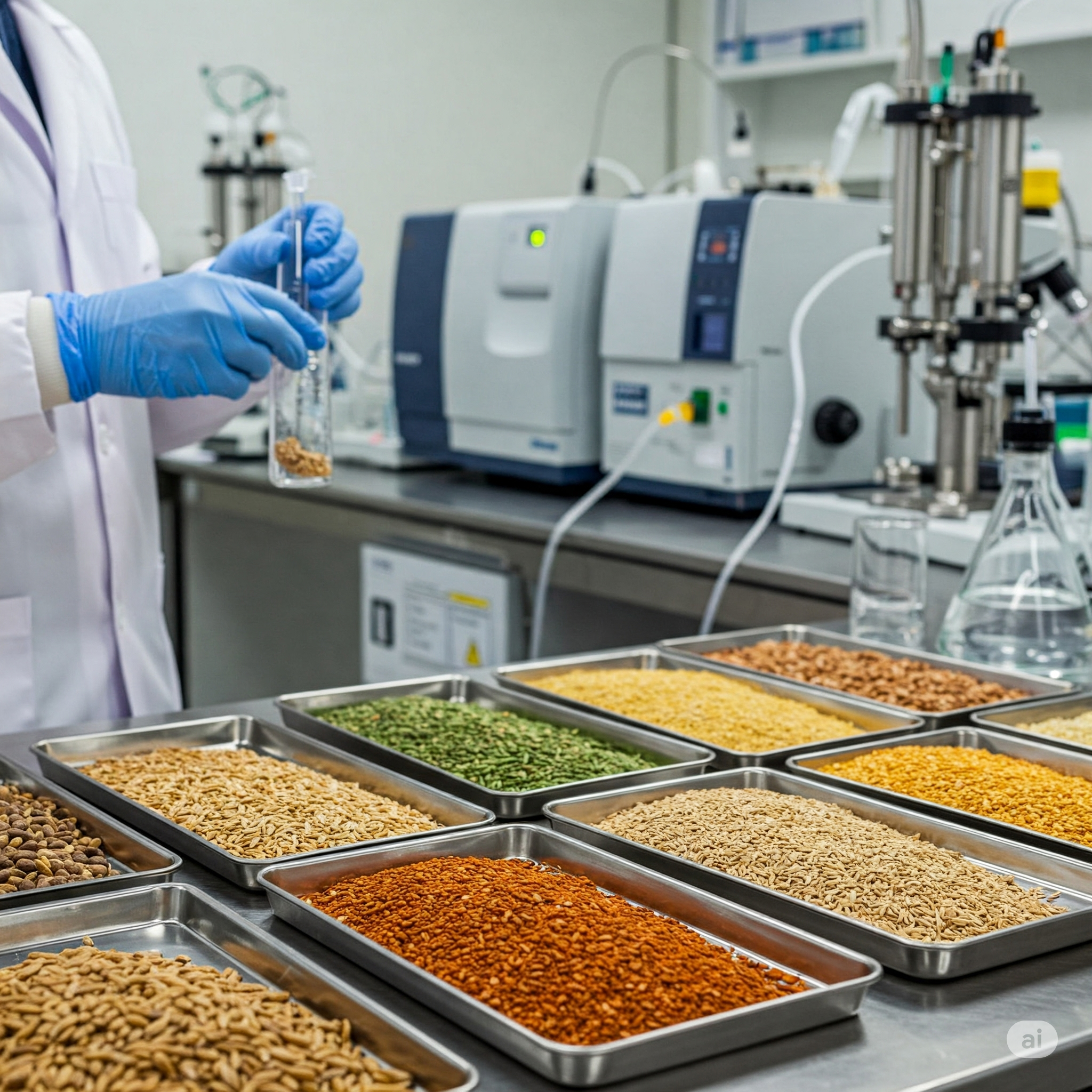
- Carbohydrates
- Cocoa Solids
- Crude Fibre
- Moisture
- Total Ash
- Acid Insoluble Ash
- Total Solids
- Acidity of extracted Fat
- Acidity
- Protein
- Fat
- pH
- Energy value
Microbiology Testing in Air & Surface

- Acidity as Formic Acid
- Carbohydrates
- Energy
- Fat
- Fiehe's Test
- Free Acidity (Milliequivalents Acid/1000g)
- Fructose Glucose Ratio
- Hydroxy Methyl Furfural (HMF)
- Moisture
- Physical Examination for Any Foreign Matter, Such as Mould, Dirt, Scum, Pieces of Beeswax, Fragments of Bees and Other Insects
- Protein
- Specific Gravity
- Sucrose
- Total Sugar as Invert Sugar
- Total Ash
- Total Reducing Sugar
- Water Insoluble Matter
Microbiology Testing in Water & Waste Water
- Coliforms
- Faecal streptococci
- Shigella spp
- Total viable count at 37°C/ml in 24 hours
- Coliform bacteria
- Staphylococcus aureus
- Proteolytic Organism count
- Shigella
- Lipolytic Organisms count
- Legionella
- E. coli
- Pseudomonas aeruginosa
- Staphylococcus aureus
- Vibrio cholera
- Standard Plate Count
- Sulphite reducing anaerobes
- Thermophilic Organisms count
- Total viable colony count at 20 - 22°C/ml in 72 hours
- Yeast and Mould Count
- Escherichia coli
- Standard Plate Count
- Sulphite reducing anaerobes
- Vibrio parahaemolyticus
- Salmonella
- Yeast and Moulds
- Total Plate Count
- Faecal Coliforms
- Salmonella spp
Jar Test
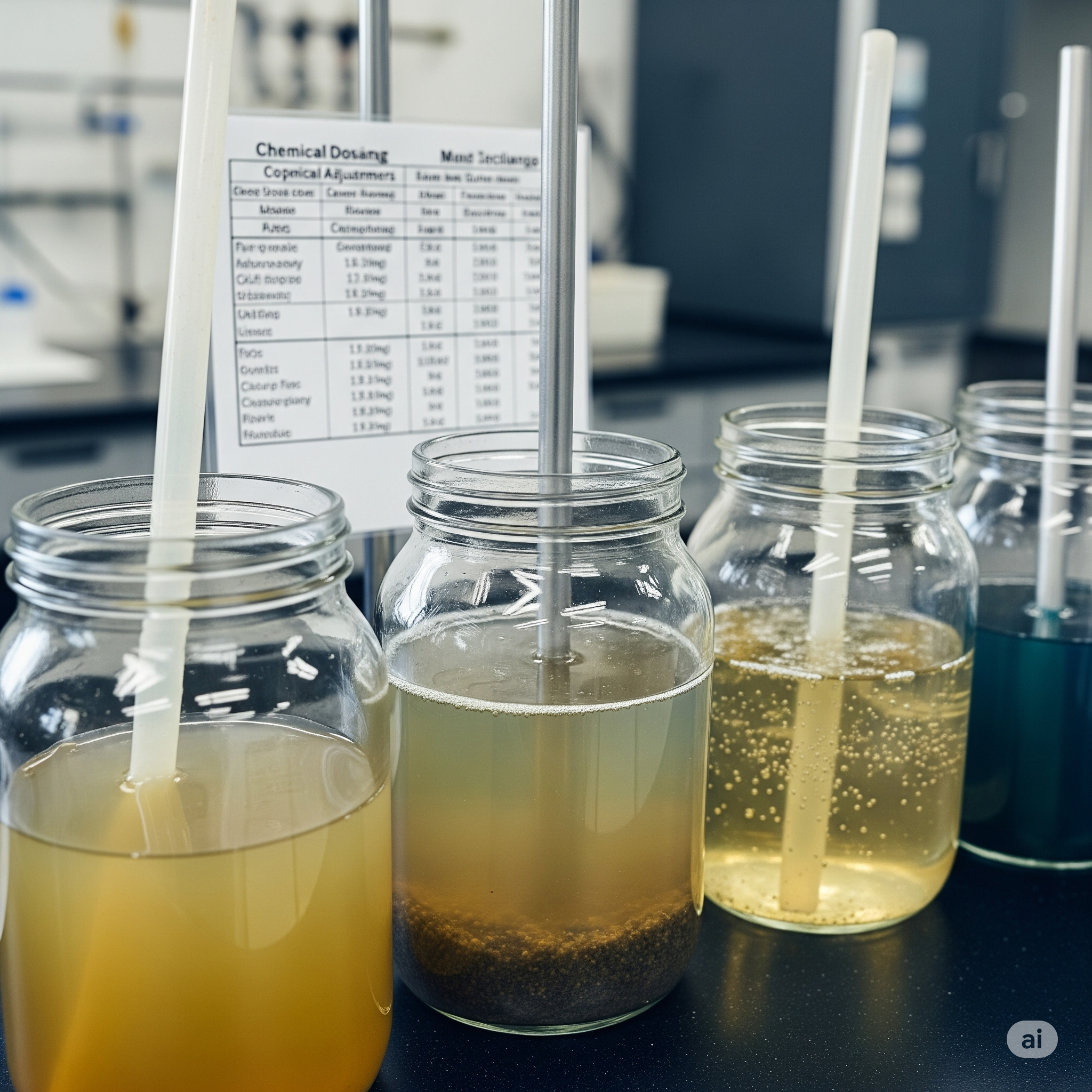
- A jar test is a laboratory procedure used in water and wastewater treatment to determine the optimal operating conditions, including chemical dosages and mixing parameters, for coagulation and flocculation processes. It simulates the coagulation/flocculation process in a scaled-down version, allowing operators to optimize treatment processes and achieve desired water quality goals.
- Purpose:
The jar test helps determine the most effective combination of chemicals and mixing conditions to achieve the best water quality, such as turbidity removal or settling of solids. - Procedure:
The test involves using a jar testing apparatus with multiple jars (typically six) filled with raw water. Different dosages of chemicals, like coagulants or flocculants, are added to each jar, and the water is mixed under varying conditions (stirring speed, duration, etc.). - Analysis:
After a period of mixing and settling, the water in each jar is observed, and the best-performing jar (with the clearest water and optimal floc formation) is selected. - Benefits:
Jar testing helps optimize chemical dosages, reduce costs, and improve the overall efficiency of the water treatment process. It also helps avoid overdosing and wasted resources. - Application:
Jar tests are used in various water treatment applications, including raw water treatment, wastewater treatment, and sludge conditioning
EIA & EMP
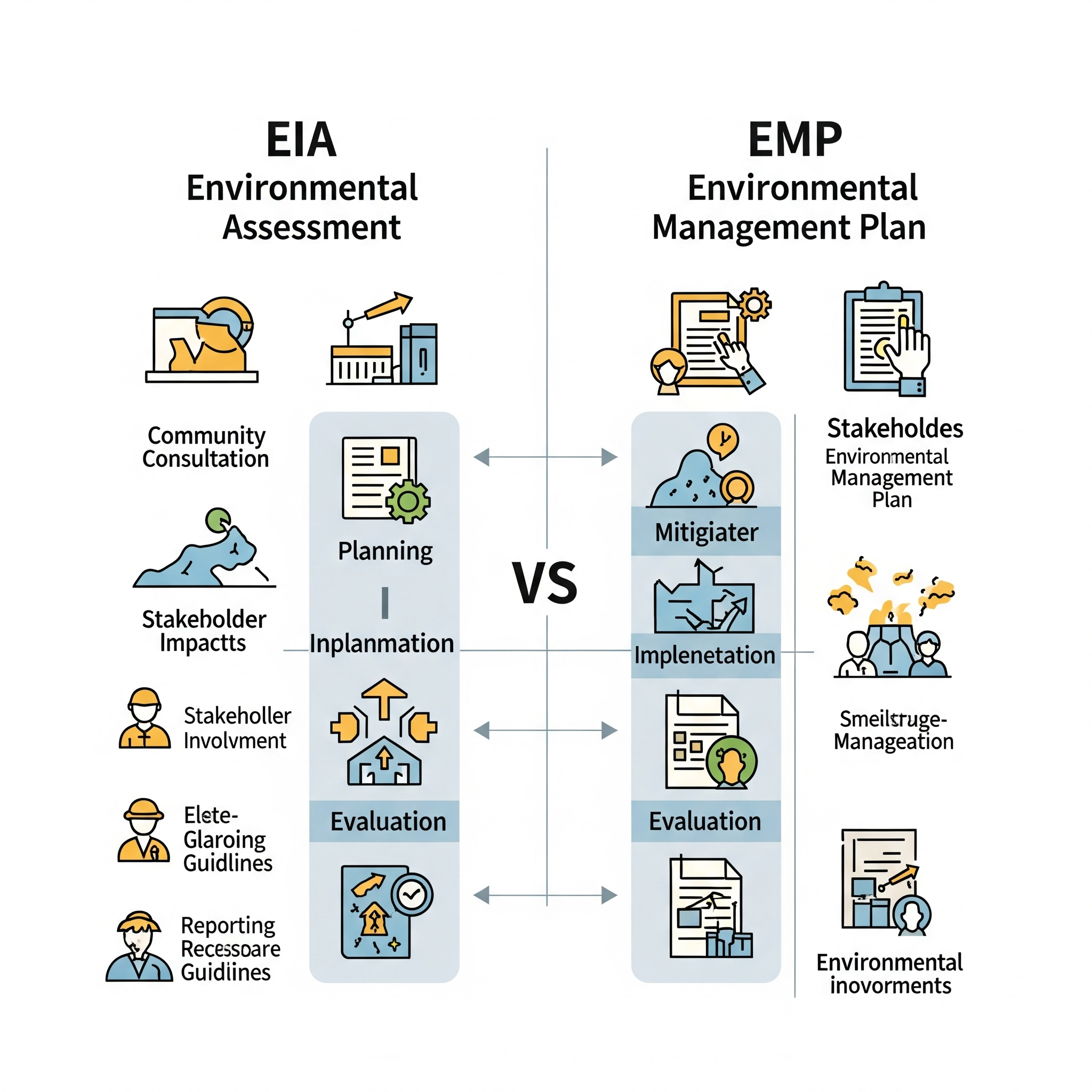
- Environmental Impact Assessment (EIA) is a process of evaluating the likely environmental impacts of a proposed project or development, taking into account inter-related socio-economic, cultural and human-health impacts, both beneficial and adverse. UNEP defines Environmental Impact Assessment (EIA) as a tool used to identify the environmental, social and economic impacts of a project prior to decision-making. It aims to predict environmental impacts at an early stage in project planning and design, find ways and means to reduce adverse impacts, shape projects to suit the local environment and present the predictions and options to decision-makers. By using EIA both environmental and economic benefits can be achieved, such as reduced cost and time of project implementation and design, avoided treatment/clean-up costs and impacts of laws and regulations.
EIA & EMP Process Steps
Screening is the first step to determine which projects or developments require a full or partial impact assessment study.
This crucial phase helps identify whether a proposed project has the potential for significant environmental impacts that warrant detailed investigation. Projects are evaluated against established criteria, thresholds, and guidelines to categorize them based on their likely environmental significance.
Scoping identifies which potential impacts are relevant to assess (based on legislative requirements, international conventions, expert knowledge and public involvement).
Key objectives include identifying alternative solutions that avoid, mitigate or compensate adverse impacts on biodiversity, considering the option of not proceeding with the development, finding alternative designs or sites which avoid the impacts, incorporating safeguards in the design of the project, or providing compensation for adverse impacts, and finally deriving terms of reference for the impact assessment.
Assessment and evaluation of impacts and development of alternatives involves predicting and identifying the likely environmental impacts of a proposed project or development, including the detailed elaboration of alternatives.
This comprehensive phase represents the core analytical component of the EIA process, involving systematic analysis of potential environmental effects across various categories including air quality, water resources, soil conditions, biodiversity, noise levels, and socio-economic factors.
Reporting the Environmental Impact Statement (EIS) or EIA report includes an environmental management plan (EMP), and a non-technical summary for the general audience.
This critical document serves as the primary communication tool between project proponents, regulatory authorities, and the public. The EMP provides detailed strategies for mitigating, monitoring, and managing identified environmental impacts throughout the project lifecycle.
Review of the Environmental Impact Statement (EIS) is based on the terms of reference (scoping) and public (including authority) participation.
This critical review process ensures that all significant environmental impacts have been adequately identified and assessed, proposed mitigation measures are feasible and appropriate, and public concerns and expert opinions are properly considered.
Decision-making determines whether to approve the project or not, and under what conditions.
This phase represents the culmination of the EIA process, where regulatory authorities balance environmental protection with development needs. Decision-makers consider factors including severity of predicted impacts, effectiveness of mitigation measures, public interest, and compliance with environmental regulations.
Monitoring, compliance, enforcement and environmental auditing monitor whether the predicted impacts and proposed mitigation measures occur as defined in the EMP.
This phase ensures ongoing environmental protection through systematic monitoring, compliance verification, and enforcement activities. Key objectives include verifying compliance with the EMP and ensuring that unpredicted impacts or failed mitigation measures are identified and addressed in a timely fashion.